Key Takeaways
- Metal roof trim protects roof edges, seams, and joints from water, wind, and debris, extending roof life.
- It directs water flow toward gutters, preventing pooling and moisture damage.
- Roof trim reinforces structural integrity and enhances wind resistance in harsh conditions.
- It prevents corrosion by shielding exposed metal areas from moisture and contaminants.
- Beyond function, roof trim improves roof aesthetics with clean, finished edges.
Metal roof trim is an essential part of any roofing system, designed to protect roof edges, seams, and joints from water, wind, and debris. In Florida’s coastal environment, where storms and salt air are frequent challenges, quality trim provides vital sealing and reinforcement that helps extend the life of the roof. It also contributes to a polished, finished look that enhances a home’s appearance.
While often overlooked, roof trim helps maintain structural integrity and prevent costly damage. From directing water away from vulnerable areas to improving wind resistance, it’s a small detail with big benefits. This blog explains what metal roof trim is, its six main protective roles, and answers common homeowner questions. For expert installation and upkeep, it’s wise to work with a roofing company that also offers roof repair services.
What Is Metal Roof Trim?
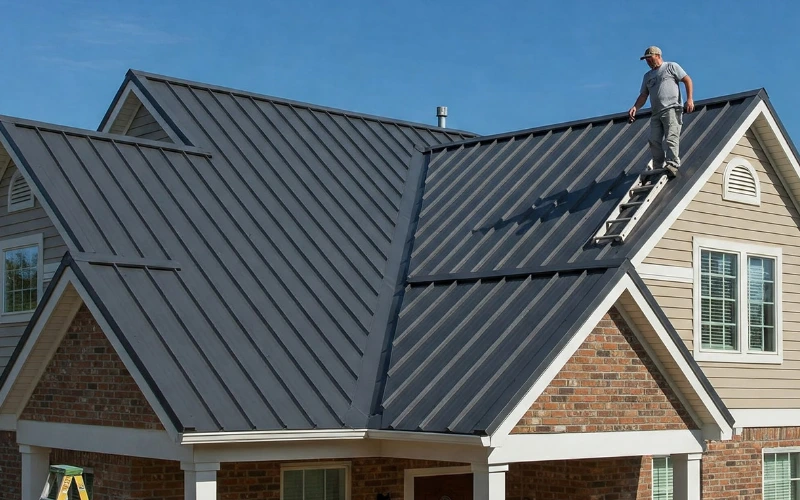
Metal roof trim is a protective finishing material installed along the edges, joints, and peaks of a roof. It serves as a barrier against water infiltration, wind-driven rain, and other environmental factors that can cause damage over time. By covering exposed edges and seams, trim strengthens vulnerable areas of the roof while also providing a neat, finished appearance.
In Florida’s weather conditions—marked by intense sun, heavy rainfall, and coastal humidity—metal roof trim plays an even more critical role. It works in tandem with roof flashing and other waterproofing components to ensure that water flows safely off the roof instead of seeping into the underlying structure. This combination of functionality and aesthetics makes roof trim an indispensable part of a long-lasting roofing system.
6 Major Roles of Metal Roof Trim in Roof Protection
Metal roof trim plays a vital role in protecting and enhancing your roof. From sealing edges to improving aesthetics, it safeguards against water, wind, and corrosion while reinforcing strength and ensuring long-lasting performance. Here are six major roles it serves.
1. Sealing Roof Edges
Roof edges are constantly exposed to wind, rain, and airborne debris, making them highly vulnerable to moisture intrusion. Even small gaps can allow water to penetrate, causing rot and long-term structural damage. Roof trim forms a watertight seal, protecting fascia boards, preventing water entry, and ensuring the roof’s perimeter remains secure and durable against challenging environmental conditions throughout the changing seasons.
2. Directing Water Flow
When rainwater is not guided away properly, it can collect along edges and joints, leading to wood decay, mold growth, and material failure. Over time, this weakens the roof’s protective ability. Roof trim directs water safely toward gutters, preventing pooling, reducing structural stress, and maintaining the roof’s ability to shed water efficiently while protecting vulnerable areas from unnecessary moisture-related damage.
3. Reinforcing Structural Integrity
Wind, temperature shifts, and heavy rainfall place constant stress on roofing materials, especially along seams and exposed edges. Without reinforcement, these areas can shift, crack, or loosen over time. Roof trim strengthens vulnerable points, keeping materials in place, increasing durability, and ensuring the roof can handle varying environmental pressures without losing its protective performance or compromising the home’s structural stability.
4. Enhancing Wind Resistance
Powerful wind events can create uplift forces capable of prying loose unsecured roofing materials, often starting at the edges. Once damage begins, it can spread quickly across the surface. Roof trim anchors panels securely in position, reducing uplift risks, maintaining a continuous barrier, and ensuring the roof stays firmly in place during strong wind conditions that could otherwise cause significant damage.
5. Preventing Corrosion Damage
Moisture and airborne contaminants accelerate corrosion, especially on exposed metal surfaces at seams and edges. Left unchecked, rust can weaken the roof’s ability to protect the home. Roof trim shields these areas from direct exposure, slowing deterioration, preserving material strength, and extending the service life of the roofing system in environments where corrosive elements are consistently present in the air.
6. Improving Roof Aesthetics
Even a well-constructed roof can look unfinished or neglected if its edges are rough or exposed. This can diminish curb appeal and perceived value. Roof trim creates smooth, clean lines that give the roof a polished, professional appearance while also providing the essential protective benefits needed to keep the structure functioning effectively and looking its best for years to come.
Frequently Asked Questions
How long does roof trim last?
When made from high-quality materials and installed correctly, roof trim can last decades with proper care. Its longevity depends on factors such as material type, environmental exposure, and regular maintenance. Periodic inspections help identify minor issues early, extending the service life and maintaining both performance and appearance.
Can roof trim be replaced without replacing the entire roof?
Yes. If the rest of the roof is in good condition, damaged trim sections can be replaced independently. This targeted repair restores protection to vulnerable edges without the cost and disruption of a full roof replacement, making it a practical option when only localized issues are present.
What materials are best for roof trim?
Durable materials such as aluminum, galvanized steel, and copper are popular choices. Each offers unique benefits, including corrosion resistance, strength, and aesthetic appeal. The best option depends on the roof’s design, climate considerations, and desired appearance. Consulting a roofing professional ensures compatibility with the existing system.
How often should roof trim be inspected?
It’s recommended to inspect roof trim at least twice a year, ideally in spring and fall. Additional checks should follow severe weather events. Regular roof inspections help identify damage, loose fittings, or early signs of corrosion, allowing for timely maintenance and preventing more extensive roof issues from developing.
Final Thoughts
Metal roof trim may seem like a small detail, but it plays a major role in protecting the edges, reinforcing structural strength, and enhancing the overall appearance of a roofing system. From sealing gaps to directing water flow, its benefits extend far beyond aesthetics, helping to preserve both roof performance and home value.
At Longboat Key Roofing, we offer professional roofing services to ensure every component of your roof, including trim, is expertly installed and maintained. Contact us today to schedule an inspection or discuss the best solutions for your home’s long-term protection.